There comes a point when a normal holiday simply is not enough. A few days away might help you disconnect temporarily, but real rest is something deeper. More people are now travelling with a different purpose in mind: to slow down properly, recharge mentally and feel physically better again.
That is one of the reasons why interest in a yoga and meditation retreat in Spain has grown so much in recent years. Spain offers something that naturally supports wellbeing, a calmer pace of life, warm Mediterranean weather, healthy food and coastal landscapes that immediately help the body relax.
Unlike conventional wellness breaks, yoga and meditation retreats are not built around constant activity or superficial luxury. Their goal is much simpler and far more valuable: helping people reconnect with themselves, reduce stress levels and create space for genuine recovery.
For many travellers, especially those dealing with burnout, anxiety or emotional exhaustion, that combination can make a noticeable difference.
Why Spain is ideal for wellness retreats
Some destinations naturally encourage relaxation, and Spain is one of them. The climate, the slower rhythm of the day and the connection to outdoor living all contribute to a sense of calm that many visitors notice almost immediately.
The Mediterranean coast, in particular, has become one of Europe’s leading wellness destinations. Sea views, natural light and fresh air create the kind of environment that supports both physical and emotional wellbeing. It is much easier to slow down when your surroundings invite you to do exactly that.
There is also a cultural aspect that matters. In Spain, wellbeing is often linked to balance rather than intensity. Meals are slower, time outdoors is prioritised and daily life tends to feel less rushed than in many northern European countries. That lifestyle fits naturally with practices like yoga and meditation.
For travellers looking to step away from overstimulation and constant pressure, the setting itself becomes part of the healing process.
More than just yoga classes
A good retreat is not simply a collection of yoga sessions. The most effective programmes are carefully designed to help the nervous system settle gradually over several days.
Yoga plays an important role, of course. Gentle movement helps release accumulated tension from the body while improving circulation, posture and breathing patterns. But the real benefit often comes from the mental shift that happens during practice.
When people slow down physically, the mind tends to follow.
Meditation supports that process further. Many guests arrive feeling mentally overloaded, unable to switch off properly even during holidays. Guided meditation creates moments of stillness that are increasingly rare in everyday life.
Contrary to what many people assume, meditation retreats are not about sitting in silence for hours. Most modern wellness retreats approach meditation in a very accessible and practical way. Breathing exercises, mindfulness sessions and guided relaxation techniques are usually integrated naturally into the daily schedule.
Even people with no previous experience often notice improvements in sleep quality, stress levels and mental clarity after only a few days.
The importance of the environment
Location matters far more than many people realise. A retreat surrounded by nature creates a completely different experience from one based in a busy urban setting.
Coastal retreats are especially effective because the sea has a measurable calming effect on the nervous system. The sound of waves, open landscapes and sea air all contribute to reducing mental fatigue.
Spending time near water is also associated with lower cortisol levels and improved mood. That is one reason why many wellness centres in Spain are located directly on the Mediterranean coast.
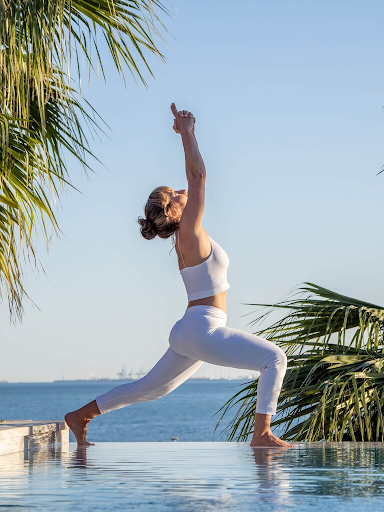
Outdoor yoga sessions become part of the experience rather than just another activity. Practising at sunrise, breathing fresh sea air or walking quietly along the coast after meditation creates a sense of presence that is difficult to recreate in daily life.
These details may seem small, but together they shape the emotional impact of a retreat.
Healing from stress and emotional fatigue
One of the biggest reasons people book wellness retreats today is stress. Not ordinary tiredness, but the kind of mental exhaustion that builds slowly over time.
Long working hours, constant digital stimulation and lack of proper rest affect both the body and the mind. Many people only realise how overwhelmed they are once they finally stop.
Yoga and meditation retreats create the conditions for recovery by removing many of the external pressures people live with every day. There are fewer distractions, less noise and a much slower pace.
That simplicity is powerful.
Without constantly checking phones, replying to emails or rushing between responsibilities, the nervous system finally has a chance to regulate itself again.
This is also why many retreats include complementary wellness therapies such as massages, hydrotherapy or mindfulness coaching. The idea is not only to relax temporarily, but to help the body move out of a prolonged stress state.
The growing role of thalassotherapy
Spain has also become known for wellness programmes that combine yoga and meditation with thalassotherapy. This approach uses seawater and marine-based treatments to support physical recovery and deep relaxation.
Thalassotherapy has a long tradition in Mediterranean wellness culture. Warm seawater pools, hydrotherapy circuits and mineral-rich treatments can help improve circulation, reduce muscular tension and promote better sleep.
When combined with mindfulness practices, the effect tends to feel more complete. Physical relaxation and mental calm reinforce each other naturally.
This integrated style of wellness is becoming increasingly popular because travellers are looking for experiences that feel restorative rather than purely indulgent.
A retreat today is less about luxury for the sake of appearance and more about genuine wellbeing.
A more holistic approach to wellbeing
One of the reasons wellness retreats continue to grow in popularity is that they encourage healthier habits beyond the trip itself.
People often return home with practical tools they can continue using in everyday life. Simple breathing exercises, short meditation routines or improved sleep habits can have a lasting impact when practised consistently.
Nutrition is another important part of the experience. Many retreats in Spain focus on Mediterranean cuisine, fresh ingredients and balanced meals that support energy and digestion without feeling restrictive.
The goal is not perfection or extreme detox programmes. It is about helping guests feel better physically while creating sustainable routines they can realistically maintain afterwards.
That approach feels far more human and approachable than many traditional wellness trends.
A wellness experience shaped by the Mediterranean
Spain’s Mediterranean coast offers an especially attractive setting for this kind of retreat because it combines natural beauty with high-quality wellness facilities.
One example is Palasiet Wellness Clinic & Thalasso in Benicàssim, which integrates yoga, meditation and marine-based therapies into a broader wellness programme focused on recovery and balance. Its location beside the sea plays an important role in the overall experience, creating an atmosphere that feels calm without being isolated.
Rather than focusing only on spa treatments, the programme combines movement, mindfulness and thalassotherapy in a way that feels more holistic and personalised. That balance is increasingly valued by travellers who want something more meaningful than a standard wellness hotel stay.
The combination of Mediterranean surroundings, structured wellbeing programmes and restorative therapies reflects the direction wellness tourism is moving towards today: less superficial, more intentional.
Choosing the right retreat for you
Not every retreat offers the same experience, so it is worth taking time to choose carefully.
Some retreats focus heavily on intensive yoga practice, while others prioritise relaxation and emotional wellbeing. Neither approach is better, but they suit different people.
For beginners, retreats with gentle yoga styles and guided meditation sessions are often the best option. A supportive environment matters far more than advanced practice.
It is also important to look at the overall philosophy of the retreat. The best experiences usually leave space for rest rather than filling every hour with activities. Having time to read, walk quietly or simply do nothing is often part of the healing process itself.
Experienced instructors, small groups and a calm setting also make a significant difference.
Ultimately, the most valuable retreats are the ones that help people feel grounded again, physically, mentally and emotionally.
Because sometimes what we need most is not more stimulation, but the opportunity to pause properly for the first time in a long while.
About the Author