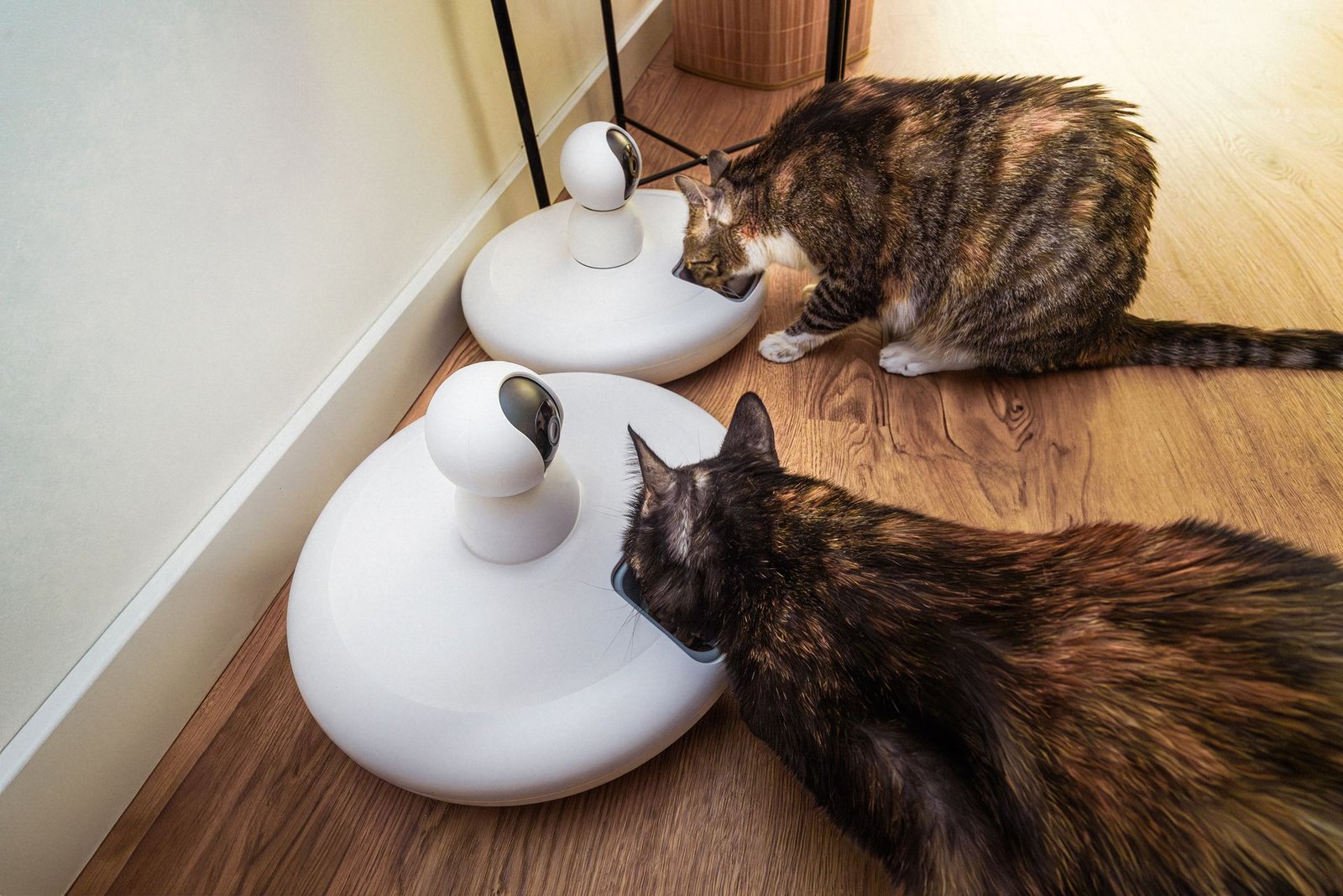
Pet care was quite simple a few years ago. Leashes, food bowls, and the odd trip to the vet, but now technology has subtly entered in, making daily choices simpler and more understandable.
PetTech is transforming guessing into something considerably more accurate, from detecting movement to fine-tuning what goes in a pet’s bowl. This change feels less like a trend and more like a logical advancement for homes who already depend on data in other aspects of their lives.
A Data-Driven Approach to Pet Health
Pet wearables used to sound excessive. Now, they’re starting to make sense. Modern collars and trackers don’t just count steps. They keep an eye on behavioural shifts, activity patterns, and sleep quality; all of which can be easily overlooked during a hectic workweek. A dog may be experiencing early pain, which may not always be immediately apparent, if they rest more than normal or exercise less energetically.
That kind of insight matters. According to the American Kennel Club consistent monitoring can help spot health issues earlier, especially in older dogs where small changes tend to build gradually.
Feeding has also become more precise. Smart feeders are adjusting portions based on weight, age, and activity levels, rather than sticking to fixed estimates. It removes a lot of the second-guessing that used to come with maintaining a healthy routine.
Telehealth and Easier Access to Vets
Trips to the vet aren’t always necessary but knowing when to go can be tricky. That’s where telehealth has found its place. Online consultations now give pet owners a way to check concerns quickly, whether it’s a minor issue, a follow-up, or even behavioural advice. It doesn’t replace in-person care, but it does reduce delays and unnecessary visits. In areas where clinics aren’t easy to reach, this kind of access is more than convenient; it’s essential.
At the same time, digital records are simplifying the administrative side of care. Vaccination history, prescriptions, and past conditions are no longer scattered across papers or forgotten emails. Everything sits in one place, ready when needed.
Personalised Pet Care and Nutrition
This is the area where technology is beginning to seem truly helpful and where things are moving the fastest. Despite the fact that every pet reacts differently to food, diets have frequently been viewed as one-size-fits-all. That strategy is beginning to change. With better tracking and more consistent data, patterns begin to show up.
Recurring itching, inconsistent digestion, and low energy – these aren’t random. Over time, they point somewhere. Instead of switching foods blindly, owners are now able to connect symptoms with triggers. That’s led to more tailored feeding choices, including options like hypoallergenic dog food, which can help reduce common dietary irritants when sensitivities are suspected.

Smart Homes, Smarter Pet Care
Pet care is also blending into the wider smart home setup. These days, cameras are used for more than just streaming video. Owners may check in without interfering with a pet’s routine thanks to motion monitoring, notifications, and two-way audio. Even little contacts might have an impact on animals that struggle with separation anxiety.
Another layer that is simple to ignore but becoming more and more important is environmental monitoring. Comfort is influenced by temperature, humidity, and air quality, especially for pets with thick coats or sensitivities. Even routine tasks such as cleaning litter boxes or maintaining enclosures are becoming more automated.
The Human Factor Still Matters
For all the technology involved, none of this replaces basic awareness. Devices can highlight patterns, but they don’t interpret context. A drop in activity could mean discomfort or it could just be a slower day. That distinction still depends on observation and judgement.
The value of PetTech sits in support, not substitution. It fills gaps, but it doesn’t replace attention. Used well, it sharpens decisions. Used blindly, it creates noise.
Looking Ahead
PetTech isn’t slowing down. Ai-led insights, genetic screening, and predictive health tools are already being developed to move care further toward prevention. But the bigger shift isn’t technical, it’s behavioural.
Expectations have changed. Pet owners are no longer satisfied with reacting late. There’s a clear move toward understanding earlier, adjusting faster, and avoiding problems where possible. That doesn’t make care more complicated. In many cases, it does the opposite. It makes it clearer.
About the Author