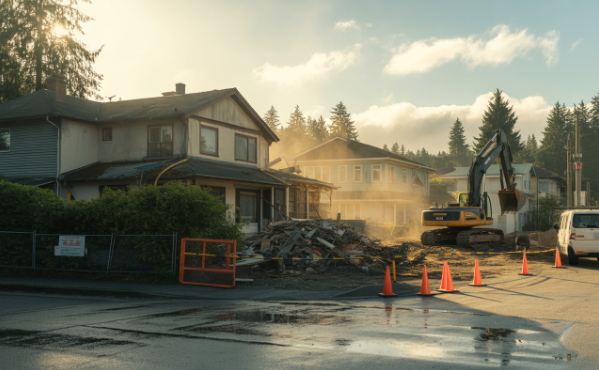
I’ve seen a lot of demolition projects over the years, and I can tell you this: the ones that go sideways almost always do so because of mistakes made before the first piece of equipment ever showed up on site. Homeowners get excited about their project, rush into decisions, and skip steps that seem minor but turn out to be critical.
The frustrating part is that most of these mistakes are completely avoidable. You just need to know what to watch out for. So let me walk you through the most common problems I see Seattle homeowners run into when planning demolition projects, and more importantly, how you can avoid them.
Mistake #1: Not Getting Proper Permits (Or Getting Them Too Late)
This is probably the biggest mistake homeowners make, and it can completely derail your project. Seattle’s Department of Construction and Inspections requires permits for nearly all demolition work, whether you’re tearing down an entire house or just gutting a room. Yet homeowners constantly either skip permits entirely or try to get them after work has already started.
Here’s what actually happens when you don’t get permits. At some point, a neighbor reports the unpermitted work. Or an inspector drives by and notices activity without posted permits. The city issues a stop-work order. Your project grinds to a halt. You pay fines. You have to retroactively apply for permits, which takes longer and costs more because now you’re dealing with code enforcement. In severe cases, you might even have to reverse work that’s already been done.
Even if you somehow get away with skipping permits, it creates problems down the road. When you sell your house, title companies and buyers will ask about permits for work done. Unpermitted demolition and reconstruction can kill a sale or force you to reduce your price significantly.
The permit process isn’t as painful as people think, especially when you work with contractors who handle it regularly. Yes, there’s paperwork. Yes, there are fees. But permits typically get approved within a few weeks for straightforward projects, and having everything above board means you can work without constantly looking over your shoulder.
Start the permit process early, before you’re ready to break ground. Factor permit timing into your overall schedule. And if navigating the city bureaucracy sounds overwhelming, work with a demolition contractor like Prime Demolition who handles permitting as part of their service. They know exactly what Seattle requires, which forms to file, and how to move applications through the system efficiently.
Mistake #2: Skipping the Asbestos Inspection
Any house built before 1985 probably contains asbestos somewhere. It’s in floor tiles, ceiling texture, insulation, siding, roofing materials, and pipe wrap. You can’t see it just by looking, and you can’t safely demolish around it without proper handling.
Washington State law requires testing for asbestos before demolition begins on pre-1985 structures. Yet homeowners regularly skip this step, either because they don’t know about the requirement or they’re trying to save money. This is dangerous and illegal.
When asbestos-containing materials get disturbed during demolition, microscopic fibers become airborne. Anyone breathing those fibers faces serious health risks including lung disease and cancer. The risks aren’t immediate, which makes people think they can take shortcuts. But asbestos exposure causes problems that show up decades later, and by then the damage is done.
Beyond health risks, there are legal consequences. If inspectors discover you’ve demolished a pre-1985 structure without proper asbestos testing and abatement, you’re looking at substantial fines from both the EPA and state regulators. Your project gets shut down. You might face legal liability if workers or neighbors were exposed.
The solution is straightforward. Before any demolition work begins, hire a certified asbestos inspector to test your property. If asbestos is found, hire licensed abatement professionals to remove it safely before demolition proceeds. Yes, this adds cost and time to your project. But it’s not optional, and trying to skip it creates far bigger problems.
Reputable demolition contractors won’t even start work without confirming asbestos testing is complete. They know the regulations and won’t risk their license or your safety by cutting corners.
Mistake #3: Choosing a Contractor Based Only on Price
I get it. Demolition is expensive, and everyone wants to save money. But choosing your contractor solely based on who gives you the lowest bid is asking for trouble.
Low bids often mean corners are getting cut somewhere. Maybe the contractor isn’t carrying proper insurance. Maybe they’re planning to dump debris illegally instead of paying disposal fees. Maybe they’re not factoring in permit costs or hazardous material handling. Maybe they’re just inexperienced and don’t understand what the project actually involves.
When things go wrong with a cheap contractor, you end up paying far more in the long run. I’ve seen homeowners hire unlicensed contractors to save a few thousand dollars, only to face tens of thousands in fines, legal fees, and costs to fix improper work.
Here’s what happens in a typical scenario. The cheap contractor starts work without permits. They don’t test for asbestos. Halfway through the project, they discover complications they didn’t anticipate. Suddenly they’re asking for more money or threatening to abandon the job. Meanwhile, you’ve got a half-demolished house and a mess to sort out.
Instead of choosing based purely on price, evaluate contractors on several factors. Are they licensed and insured? Can they provide references from recent projects? Do they have experience with projects similar to yours? How do they handle permits and hazardous materials? What’s their safety record?
Get detailed written estimates from multiple contractors that break down exactly what’s included. Compare apples to apples. Sometimes the higher bid actually saves you money because it includes proper permitting, insurance, and disposal that cheaper contractors are leaving out.
Working with established local companies makes a difference too. Prime Demolition has a reputation to maintain in the Seattle area. They can’t afford to cut corners or leave customers dissatisfied because their business depends on referrals and repeat clients. Fly-by-night contractors have no such accountability.
Mistake #4: Not Understanding What “Demolition” Actually Includes
Homeowners often have vague ideas about what demolition involves and what they’re actually paying for. This leads to misunderstandings, surprise costs, and frustration when reality doesn’t match expectations.
Demolition isn’t just about tearing things down. It includes utility disconnection, hazardous material handling, debris removal, site cleanup, and proper disposal. Some contractors include all of this in their bids. Others quote bare-bones prices and charge extra for each additional service.
I’ve seen homeowners hire a contractor to demolish their house, thinking everything’s covered, only to discover that debris removal costs extra. Or that they’re responsible for disconnecting utilities. Or that cleanup means the contractor leaves when demolition is done, even if there’s still debris scattered across the property.
Before you sign any contract, get absolute clarity on what’s included. Who handles utility disconnection? Is debris removal included in the price? What does “cleanup” actually mean? Will the site be graded and level when they’re done, or just cleared of major debris? Who’s responsible for permits and inspections?
Get everything in writing. A detailed contract protects both you and the contractor by making expectations crystal clear. If services aren’t included in the base price, get written quotes for those add-ons so you understand total project cost.
Mistake #5: Poor Planning for What Comes After Demolition
Demolition is just the first phase of your larger project. Yet homeowners often focus entirely on the teardown without thinking through what happens next.
If you’re planning to rebuild, have your plans finalized before demolition begins. I’ve seen people demolish their houses without having construction permits approved for the new build. They end up sitting on an empty lot for months while working through the approval process, sometimes discovering their plans don’t meet code and need revision.
Line up your general contractor before demo starts. Make sure they’re ready to begin as soon as the site is clear. Gaps between demolition and construction cost you money in the form of empty property sitting idle, potential weather damage to exposed areas, and continued property taxes and mortgage payments on a house you can’t use.
Think through practical issues too. Where will you live during construction? How long will the entire process take? Do you have financing arranged for the full project? Have you budgeted for the inevitable unexpected costs that come up during construction?
Demolition companies like Prime Demolition often work with general contractors and can help coordinate timing so there’s a smooth transition from demo to construction. This kind of coordination prevents costly gaps and keeps your project moving forward.
Mistake #6: Ignoring Neighborhood and Environmental Regulations
Seattle has specific regulations about demolition in certain neighborhoods, especially historic districts. Homeowners sometimes charge ahead with demolition plans without checking whether their property is subject to special restrictions.
Some areas require additional review before demolition permits are approved. Historic preservation boards may need to weigh in. Neighborhood design review might be required for new construction. Tree preservation ordinances can affect what you’re allowed to remove from your lot.
Environmental regulations matter too. If your property has underground oil tanks, those need to be properly removed and the soil tested for contamination. If you’re near wetlands or steep slopes, there may be additional restrictions on what work you can do.
Check with the city early in your planning process. Visit the Seattle Department of Construction and Inspections website and look up your property address. It will tell you if your property is in any special zones or subject to particular regulations. Better to discover restrictions early than after you’ve already committed to plans that won’t be approved.
Mistake #7: Not Communicating with Neighbors
Demolition is noisy, dusty, and disruptive. Large equipment takes up street parking. Trucks come and go constantly. Debris gets blown around if it’s windy. Your neighbors will be affected, and failing to give them a heads up creates unnecessary tension.
Seattle requires you to post demolition notices on your property before work begins, partly so neighbors know what’s coming. But going beyond the minimum legal requirement and actually talking to your neighbors makes everyone’s life easier.
Let them know when work will start, approximately how long it will take, and what they can expect in terms of noise and disruption. Apologize in advance for the inconvenience. Give them your contact information in case issues come up. Small courtesies go a long way toward maintaining good relationships with people you’ll be living next to for years.
Good contractors also communicate with neighbors and are respectful about minimizing disruption. They keep work within permitted hours, control dust as much as possible, and address concerns promptly. This is another reason choosing the right contractor matters.
Moving Forward the Right Way
Demolition projects don’t have to be stressful nightmares full of surprises and setbacks. When you avoid these common mistakes and work with professionals who know what they’re doing, the process becomes manageable and even straightforward.
If you’re planning a demolition project in Seattle, start by talking with experienced local contractors who can guide you through the process. Prime Demolition offers free consultations where they assess your property, explain what’s involved, help you understand permitting requirements, and provide transparent pricing. They’ve handled hundreds of demolition projects throughout the area and know how to navigate the challenges specific to working in Seattle.
The key is starting with good information and making decisions based on realistic expectations rather than assumptions. Take the time to understand what’s involved, ask questions, get proper permits, and work with contractors who prioritize doing things right. Your project will go smoother, cost less in the long run, and deliver results you’re actually happy with.
About the Author