Who wants satellite internet in the era of fiber optics? This was my reaction when I first heard about satellite internet making a comeback.
But boy was I in for a surprise.
Not only is satellite internet in high demand, but it also seems that it is going to be.
Apparently, satellite internet has gone through a revamp, and most people are not familiar with it. From a rising number of brands to improvement in speeds and a larger number of overall satellites, this side of the internet is finally trying to catch up with cable and optics.
If this seems interesting, then keep reading. This write-up will help you understand why satellite is still in demand, the way it has changed over the years, and the future prospects of satellite internet.
Where Is Satellite Internet Available?
Before we get straight to the use of the satellite and its demand, it is important to know what a satellite is and how it works.
Since a satellite does not require any land infrastructure, i.e., cable or fiber, there is no dependency. This is the reason satellite is available all across the U.S.
If you want to explore satellite internet in your vicinity, you can simply search for ’satellite internet in my area’ or click here for the free ZIP lookup tool by LocalCableDeals to find satellite internet plans available at your address.
However, with its wide availability, there is a major setback as well – the speed. To understand why the speed is considered slow, you need to understand how satellite internet works.
Satellite internet is a hassle-free wireless internet that can be fixed anywhere, anytime. This means that it is not just about getting internet at your home, but also in your vehicle, remote workplace, or anywhere you live.
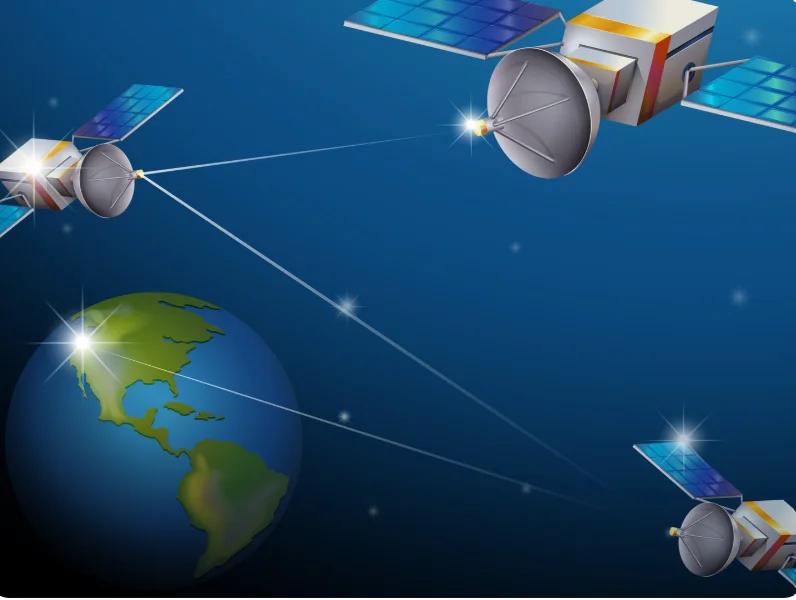
The working of satellite internet depends on a dish that is mainly used for receiving and transmitting the signals. This dish is fixed on the roof of the home or the RV. Then comes the satellite that is present in space.
When the device wants to fetch data, it sends a message via the router and modem toward the dish, which sends it to the satellite.
Once the satellite receives this signal, it is then transmitted to the ground stations of the internet service provider. The station is connected to the overall internet infrastructure that helps in requesting and retrieving the signals.
Finally, the requested information gets to travel back via satellite to the dish and to the device.
Since the distance between the satellite, device, and the dish is longer, the signal takes quite a while to travel. Eventually, it affects the speed and lag.
Why is Satellite Still in Demand?
The speed of satellite is lower, it is expensive, and comes with a data cap.
One might wonder why it is still in demand. Well, the answer is simple.
Satellite internet has 100% availability. Where other internet connections fail to reach, users can blindly rely on satellite internet. This wide availability means that, in most cases, satellite internet is considered a last resort.
Moreover, in remote areas where the cost of infrastructure is too high and no other type of internet is available, satellite is the best option.
This is the reason that, regardless of its setbacks like high ping, lag, and low speed, it is still in demand.
However, in the last few years, satellite has gone through a revamp. Thanks to the new brands entering the internet market, especially Starlink, satellite internet has experienced a facelift.
Starlink is working on launching multiple new Low-Earth Orbit (LEO) satellites.
With the help of these LEO satellites, the distance between the dish and satellite is reduced, which helps in boosting speed and improving overall user experience.
The only major setback is that launching these satellites costs a lot. This means that the price tag is quite high.
Moreover, when you add the price of equipment, i.e., dish, modem, and router, the overall package gets even higher. Overall, satellite has a rising demand thanks to the remote online workers. However, it cannot beat the demand for fiber and cable in metropolitan cities.
The Future Prospects of Satellite Internet
The future of satellite internet is bright. Now that the number of key players in the market has increased, the overall speed and experience will get better.
Moreover, the technology is bound to become more advanced over time, and if the ongoing improvements of most satellite internet providers are completed in the next few years, we will notice a significant improvement in the speed as well.
However, satellites can never be used as a replacement for fiber and cable, especially in urban areas.
Why?
Well, no matter how fast the speed gets, it will never beat fiber. Moreover, the price tag can be quite high. The only benefit of satellite internet will be that users will no longer have to think about internet availability while living in rural, suburban, and remote areas.
Simply put, while satellite internet might not be as fast and advanced as most of the other options, it is still in demand because of its high rate of availability.
About the Author