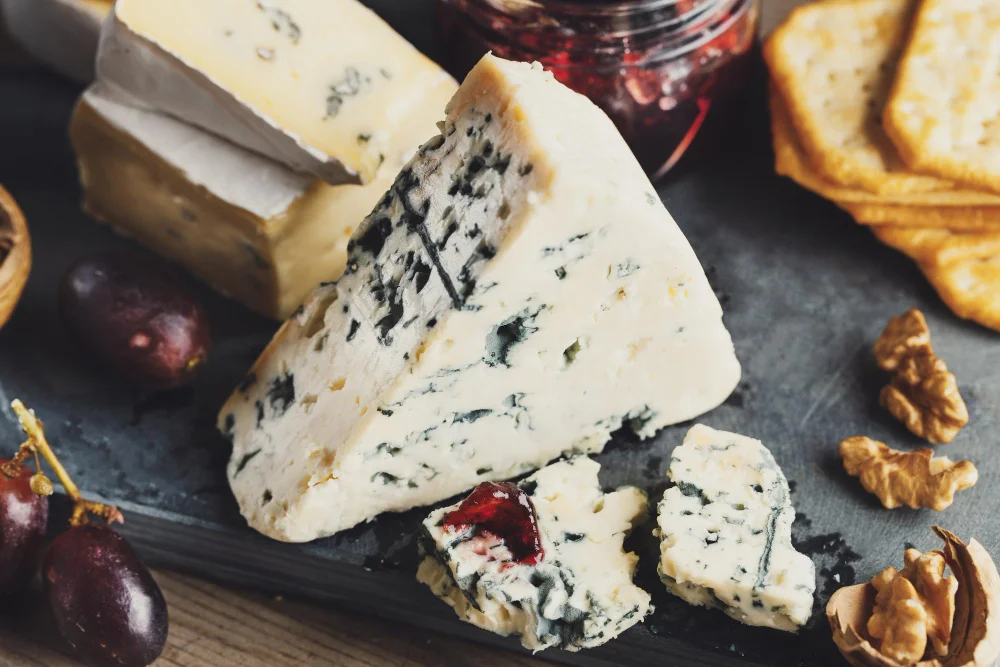
If you love cheese that is bold, creamy, and unforgettable, then masgonzola is a name you need to know. This unique cheese has quickly become a favorite among food lovers who want something rich but not overpowering. It combines the best of two worlds: the buttery smoothness of mascarpone and the gentle bite of Gorgonzola. The result is a cheese that feels luxurious, tastes complex, and works beautifully in both savory and sweet dishes.
In this ultimate guide, you will learn exactly what masgonzola is, how it tastes, how to use it in recipes, how it compares to other cheeses, and how to store it properly. Let’s explore everything you need to know.
What Is Masgonzola? Definition and Origins
Masgonzola is a soft, creamy blue cheese created by blending mascarpone and Gorgonzola. It is not an officially protected Italian cheese like Parmigiano Reggiano, but it has become popular as an artisan-style creation.
The name comes from combining two famous cheeses:
- Mascarpone – known for its smooth, buttery texture.
- Gorgonzola – a traditional blue cheese with delicate mold veins.
The idea behind masgonzola was simple. Cheesemakers wanted a blue cheese that was more approachable. Traditional blue cheeses can be strong and sharp. This cheese was designed to be milder, creamier, and easier to enjoy.
Today, masgonzola is found in gourmet shops, specialty delis, and artisan cheese counters.
Taste, Texture, and Appearance of Masgonzola
Flavor Profile
Masgonzola has a balanced flavor that is rich but not aggressive. You will notice:
- A buttery and creamy base taste
- A light tang from the blue mold
- A slight sweetness in the finish
Unlike strong blue cheeses, it does not overpower your palate. That makes it perfect for beginners and experienced cheese lovers.
Texture
The texture is one of the best parts of masgonzola. It is:
- Soft and spreadable
- Silky and smooth on the tongue
- Perfect for melting into sauces or spreading on bread
Visual Appearance
This cheese looks elegant. It usually has:
- A pale white base
- Light blue marbling throughout
- A soft outer surface with no hard rind
Fresh masgonzola smells mild and creamy, never sharp or sour.
Masgonzola vs Gorgonzola and Other Cheeses
Many people wonder how masgonzola compares to similar cheeses. Here is a simple explanation.
Masgonzola vs Gorgonzola
Gorgonzola has a stronger smell and taste. It can be sharp and salty. Masgonzola is milder, creamier, and easier to spread.
Masgonzola vs Mascarpone
Mascarpone is very sweet and buttery but has no blue mold flavor. Masgonzola adds depth and complexity with a gentle tang.
When to Use Each
- Use masgonzola when you want creaminess with a hint of blue flavor.
- Use Gorgonzola when you want bold and sharp taste.
- Use mascarpone for desserts and very mild recipes.
Masgonzola sits perfectly between comfort and gourmet flavor.
Best Culinary Uses of Masgonzola
This cheese is incredibly versatile. You can use it in many different ways.
Cheese Boards and Appetizers
Masgonzola shines on a cheese board. It pairs beautifully with:
- Crackers
- Toasted bread
- Fresh fruits like pears, grapes, and figs
- Honey and nuts
Its soft texture makes it easy to spread and enjoy.
Pasta and Sauces
You can melt masgonzola into hot pasta for a creamy, rich sauce. It works well with:
- Mushroom pasta
- Chicken pasta
- Spinach and walnut pasta
Simply stir it into warm cream, butter, or milk to make a smooth blue cheese sauce.
Pizza and Flatbreads
Masgonzola can be used on:
- White pizzas
- Flatbreads
- Garlic breads
It melts easily and adds depth without overpowering other toppings.
Salads, Spreads, and Sandwiches
You can crumble or spread masgonzola on:
- Green salads
- Grilled sandwiches
- Burgers
- Wraps
It blends nicely with vegetables and grilled meats.
Sweet and Dessert Uses
This cheese also works in desserts. It pairs well with:
- Honey
- Dark chocolate
- Caramelized nuts
- Fresh berries
Some chefs use masgonzola in cheesecake-style desserts for a gourmet twist.
How to Buy High-Quality Masgonzola
Finding good masgonzola is important for the best experience.
Where to Buy
You can usually find it at:
- Gourmet food stores
- Specialty cheese shops
- High-end supermarkets
- Online artisan food websites
What to Look For
When buying masgonzola, check for:
- Fresh smell (creamy, not sour)
- Soft but not watery texture
- Visible blue marbling
- Proper cold storage in the shop
Price Range
Masgonzola is usually more expensive than standard cheeses. The price depends on:
- Quality of milk
- Artisan production
- Import or local production
How to Store Masgonzola Properly
Correct storage keeps the cheese fresh and safe to eat.
Best Storage Methods
Store masgonzola in:
- Wax paper or cheese paper
- An airtight container
- The vegetable or dairy drawer of the refrigerator
Avoid plastic wrap directly on the cheese.
Shelf Life
Masgonzola usually lasts:
- 7 to 10 days once opened
- Up to 2 weeks if unopened and properly refrigerated
Signs of Spoilage
Do not eat the cheese if you notice:
- Strong ammonia smell
- Yellow or brown discoloration
- Slimy surface
- Bitter taste
Fresh masgonzola should always smell clean and creamy.
Nutrition and Health Information
Masgonzola is rich in nutrients but should be eaten in moderation.
Approximate Nutrition Per 100g
- Calories: 350–400 kcal
- Protein: 6–8 grams
- Fat: 30–35 grams
- Calcium: High
- Sodium: Moderate to high
Health Benefits
Masgonzola can:
- Support bone health due to high calcium
- Provide protein for muscle health
- Offer healthy fats when eaten in small amounts
Things to Consider
- It is high in fat, so portion control is important.
- It contains lactose, so it may not suit people with lactose intolerance.
- It is best enjoyed as part of a balanced diet.
Pros and Cons of Masgonzola
Pros
- Creamy and smooth texture
- Mild blue cheese flavor
- Easy to melt and spread
- Works in sweet and savory dishes
- Perfect for cheese boards
Cons
- Can be expensive
- Not available in all areas
- Short shelf life after opening
- High in fat and calories
Knowing both sides helps you enjoy this cheese wisely.
Frequently Asked Questions About Masgonzola
What does masgonzola taste like?
Masgonzola tastes creamy, buttery, and slightly tangy. It is much milder than strong blue cheeses.
Is masgonzola a real Italian cheese?
It is inspired by Italian cheeses but is not officially classified as a protected Italian cheese.
Can I cook with masgonzola?
Yes, it melts beautifully and is perfect for sauces, pasta, pizza, and spreads.
How long does masgonzola last in the fridge?
Once opened, it usually stays fresh for 7 to 10 days when stored properly.
Can I make masgonzola at home?
You can create a similar cheese by mixing mascarpone with Gorgonzola, but the authentic texture is hard to replicate.
Why You Should Try Masgonzola
Masgonzola is more than just a cheese. It is a gourmet experience. It offers the perfect balance between bold and smooth flavors. It works in almost every type of dish. It feels luxurious but remains easy to enjoy.
If you want to explore a new taste that stands between comfort and sophistication, masgonzola is a perfect choice. Add it to your next cheese board, pasta dish, or gourmet sandwich, and you will instantly taste the difference.
About the Author