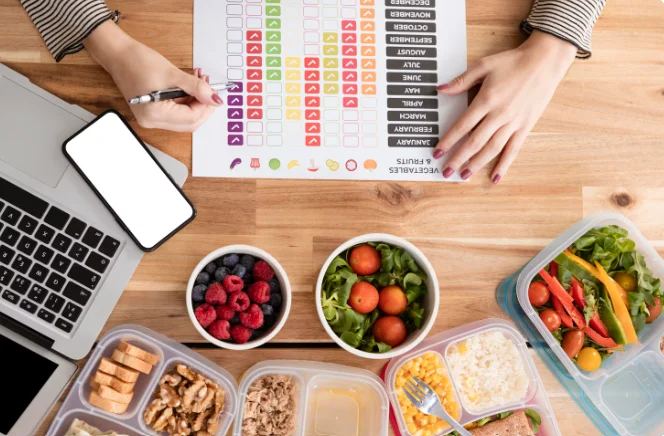
Keeping your restaurant’s stock levels balanced is already a delicate task, and even small adjustments to the menu can tip that balance. From adding a new seasonal dish to removing a slow seller, every menu decision has a direct effect on what you order, how much you store, and how quickly ingredients move through your kitchen. Without careful coordination, menu changes can easily lead to waste, shortages, or unnecessary costs.
The Role of Restaurant Recipe Software in Managing Change
Effective planning starts with data, and that’s where restaurant recipe software becomes invaluable. This type of tool helps kitchens track exact ingredient quantities for every dish, calculate food costs, and anticipate supply needs based on menu performance. When a menu changes, the software can instantly show how the adjustments affect inventory levels and purchasing schedules. For instance, if a chef decides to introduce a new seafood pasta, the system can highlight how it impacts your existing stock of seafood, sauces, or pasta varieties. This visibility makes it easier to forecast demand accurately and avoid both over-ordering and shortages.
When Menu Adjustments Cause Stock Imbalances
Frequent or unplanned menu changes can throw your inventory off balance. Ingredients ordered in bulk for discontinued items might go unused, while newly added dishes could strain supplies that weren’t previously in high demand. A single missing ingredient can delay service or force substitutions, affecting customer satisfaction. Seasonal updates are especially tricky because they often involve perishable ingredients. Without adjusting orders promptly, the kitchen might face spoilage or last-minute supplier costs.
The Hidden Impact on Purchasing and Storage
Changes to the menu don’t just affect what’s cooked; they also influence how much storage space is needed and how purchasing cycles work. Introducing dishes that use specialised or imported ingredients can complicate logistics and tie up funds in slow-moving stock. On the other hand, simplifying your menu might leave you with leftover inventory that no longer fits your new recipes. Without an integrated approach that links your purchasing, storage, and recipe data, it’s easy to lose track of what’s actually on hand versus what’s needed.
Maintaining Communication Across Teams
Menu updates often start with chefs and managers, but the effects ripple across the entire operation. Purchasing teams, stock controllers, and kitchen staff must all be informed of changes to ensure smooth transitions. A lack of communication can result in double orders or missed deliveries. With a centralised system supported by restaurant recipe software, everyone can access updated ingredient lists and portions in real time, reducing confusion and ensuring that stock aligns with current offerings.
How to Stay in Control During Menu Changes
To prevent disruptions, it helps to review inventory reports before finalising any menu update. Identify which ingredients are underused and which are already in high demand. Aim for flexibility in your menu design, reusing ingredients across multiple dishes whenever possible. This approach minimises waste and keeps procurement predictable. Regular audits and software-driven insights can further enhance control, allowing managers to spot inconsistencies early and adjust before they become costly mistakes.
A Smarter Way to Adapt
Menu evolution is essential for keeping your restaurant fresh and competitive, but it doesn’t have to create chaos behind the scenes. With the right planning tools and communication processes, you can make confident changes that support both creativity and efficiency. Restaurant recipe software provides the transparency and control needed to manage these transitions smoothly, ensuring that your menu innovations enhance, rather than disrupt, your food inventory planning.
About the Author