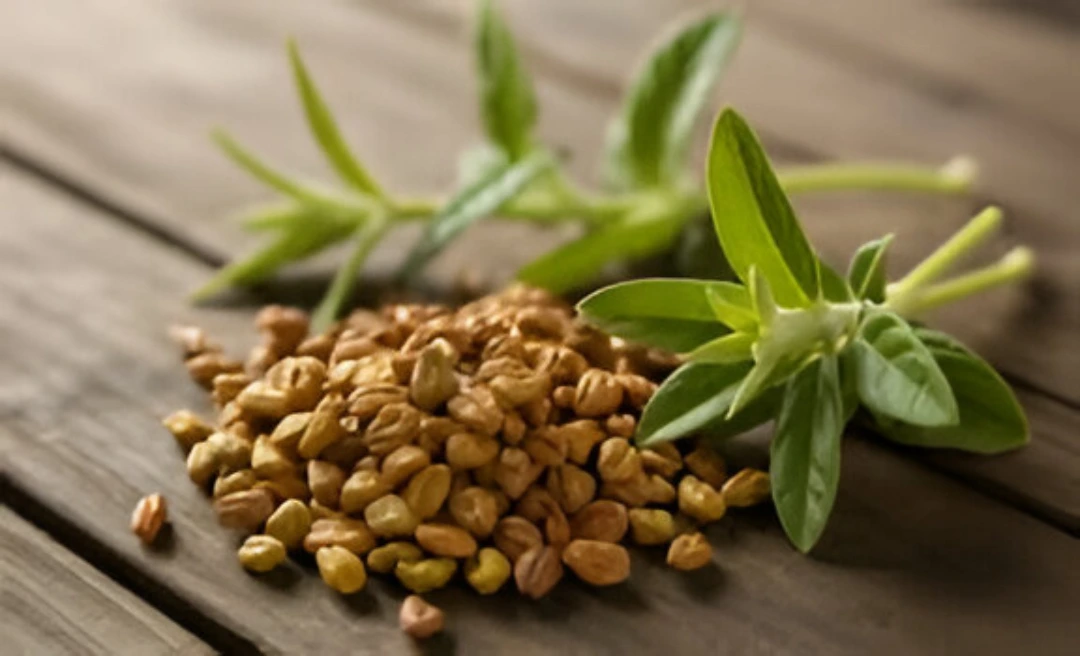
Have you ever heard of foenegriek? This ancient herb, also known as fenugreek, has been used for thousands of years in food and natural medicine. Today, it’s gaining popularity again because of its powerful health benefits and versatile uses. From digestion and blood sugar control to skin, hair, and hormonal health, foenegriek offers much more than most people realize.
In this guide, you’ll learn what foenegriek is, how it works in the body, its proven benefits, how to use it safely, and who should avoid it. Let’s explore why this small seed deserves a big place in your daily routine.
What Is Foenegriek?
Foenegriek is a leguminous plant scientifically known as Trigonella foenum-graecum. It belongs to the same family as chickpeas and lentils. The seeds are the most commonly used part and have a slightly bitter, nutty taste with a hint of maple syrup.
This herb is widely used in Indian, Middle Eastern, and Mediterranean cuisines. Beyond cooking, foenegriek is valued for its medicinal properties in Ayurveda and traditional healing systems.
History and Cultural Significance of Foenegriek
Foenegriek has a long and rich history. Ancient Egyptians used it for medicinal purposes and even during mummification. In ancient Greece and Rome, it was commonly used as animal feed and herbal medicine.
In India, foenegriek remains a staple ingredient in curries, pickles, and spice blends. It has also been used for centuries to support digestion, women’s health, and overall vitality. Across cultures, this herb has always been closely linked to wellness and nourishment.
Nutritional Value of Foenegriek
Foenegriek is packed with essential nutrients that support overall health. It is especially rich in fiber, plant protein, and minerals.
Key nutrients include:
- Dietary fiber for digestion
- Protein for muscle and tissue repair
- Iron to support healthy blood
- Magnesium for nerve and muscle function
- Calcium for bone health
- B-vitamins for energy metabolism
It also contains powerful plant compounds like saponins, flavonoids, and galactomannan. These compounds play a key role in many of foenegriek’s health benefits.
How Foenegriek Works in the Body
Foenegriek supports health through several natural mechanisms.
First, its soluble fiber slows digestion. This helps control blood sugar spikes and improves gut health. Second, galactomannan forms a gel-like substance in the stomach, promoting fullness and better glucose absorption.
Foenegriek also contains phytoestrogens. These plant compounds gently mimic estrogen in the body, supporting hormonal balance. Its antioxidants reduce inflammation and protect cells from damage.
Together, these actions explain why foenegriek benefits so many body systems.
Proven Health Benefits of Foenegriek
Improves Digestion
Foenegriek is well known for supporting digestive health. Its fiber content helps regulate bowel movements and reduce constipation. It also soothes the stomach lining and may reduce acid reflux and bloating.
Many people use foenegriek tea or soaked seeds to relieve indigestion naturally.
Controls Blood Sugar Levels
One of the most researched benefits of foenegriek is blood sugar management. The soluble fiber slows carbohydrate absorption, preventing sharp glucose spikes.
Studies show that foenegriek may improve insulin sensitivity, making it especially helpful for people with type 2 diabetes or insulin resistance.
Boosts Milk Production in Nursing Mothers
Foenegriek is one of the most popular natural lactation aids. It works by stimulating milk-producing glands through its phytoestrogen content.
Many breastfeeding mothers report increased milk supply within a few days of using foenegriek in tea or capsule form.
Supports Hormonal Balance
Foenegriek helps regulate hormones in both women and men. In women, it may ease PMS symptoms and support menstrual regularity. During menopause, it can help reduce hot flashes and mood swings.
For men, foenegriek has been linked to improved testosterone levels and vitality.
Improves Skin and Hair Health
Foenegriek is widely used in natural beauty remedies. Its antioxidants and anti-inflammatory compounds help reduce acne, pigmentation, and skin irritation.
For hair, it strengthens follicles, reduces hair fall, and improves shine. Many people use foenegriek paste or oil as a hair mask.
Aids Weight Management
Because foenegriek increases feelings of fullness, it can help reduce overeating. Stable blood sugar levels also reduce cravings and energy crashes.
When combined with a healthy diet, foenegriek may support gradual and sustainable weight loss.
How to Use Foenegriek Daily
Foenegriek is easy to include in everyday life.
You can soak the seeds overnight and eat them in the morning. You can also add them to curries, soups, and stews. Ground foenegriek works well in spice blends and baked goods.
Another popular option is foenegriek tea. Simply steep crushed seeds in hot water for 10–15 minutes.
Seeds vs Powder vs Capsules
Each form of foenegriek has its own benefits.
- Seeds: Best for digestion and blood sugar control
- Powder: Easy to mix into drinks or food
- Capsules: Convenient and dosage-controlled
- Tea: Gentle and soothing for daily use
Choose the form that fits your lifestyle and health goals.
Recommended Dosage of Foenegriek
General dosage guidelines include:
- For digestion: 1 teaspoon soaked seeds daily
- For blood sugar: 5–10 grams per day
- For lactation: 500–1000 mg capsules, 2–3 times daily
- For skin and hair: External application as needed
Start with a small amount and increase gradually.
Side Effects and Safety Precautions
Foenegriek is generally safe when used correctly. However, some people may experience mild side effects.
Possible side effects include:
- Gas or bloating
- Mild diarrhea
- Maple-like body odor
- Low blood sugar in sensitive individuals
Reducing the dose usually resolves these issues.
Who Should Avoid Foenegriek?
Certain people should be cautious with foenegriek.
Pregnant women should avoid high doses, as it may stimulate uterine contractions. People on diabetes medication should monitor blood sugar closely. Those allergic to legumes should also be careful.
Always consult a healthcare professional before starting any herbal supplement.
FAQs About Foenegriek
Is foenegriek the same as fenugreek?
Yes, foenegriek is simply another name for fenugreek.
Can foenegriek be taken daily?
Yes, when used in moderate amounts, it is safe for daily use.
Does foenegriek help with hair growth?
Yes, it strengthens hair follicles and supports scalp health.
How long does it take to see results?
Most people notice benefits within 1–3 weeks of consistent use.
Conclusion
Foenegriek is a powerful yet gentle herb with a long history of use. It supports digestion, blood sugar balance, hormonal health, and beauty from the inside out. Whether you choose seeds, tea, or supplements, adding foenegriek to your routine can be a smart and natural step toward better health.
As with any natural remedy, use it wisely and listen to your body. When used correctly, foenegriek can become a valuable part of a balanced and healthy lifestyle.
About the Author