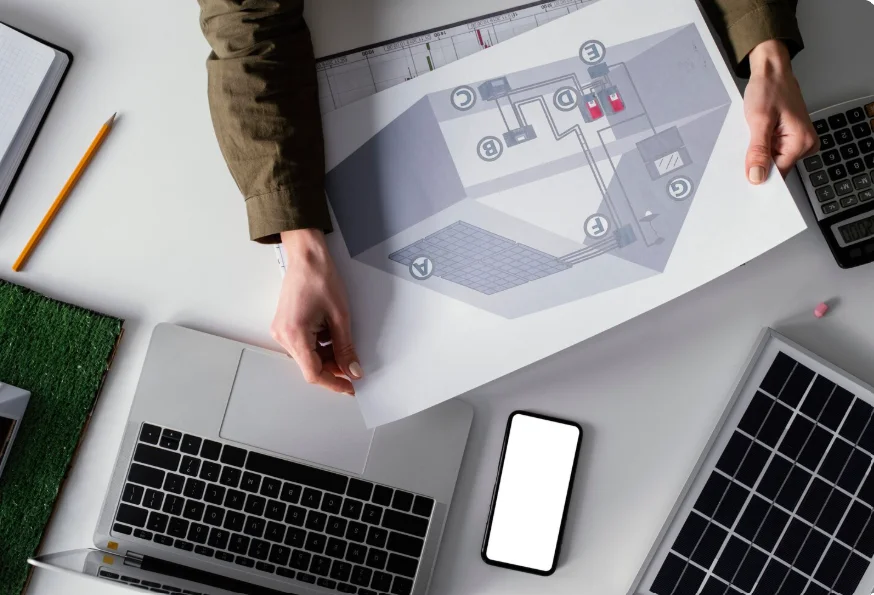
The construction world is changing fast. For years, paper plans dominated every desk and meeting. Now, digital tools and technologies set the pace, replacing old habits with data-driven collaboration. Sustainability isn’t a trend anymore—it’s a necessity, woven into every new design and project.
The rise of digital transformation in construction
Digital transformation energizes each phase of design and build. Today’s professionals no longer just sketch—they simulate, calculate, and optimize before any physical work starts. With advanced software, teams map structures layer by layer, empowering smarter decisions that benefit both budgets and the environment.
Collaboration is now lightning-fast. Instead of endless emails or phone calls, changes update instantly across shared platforms. Cloud-based systems let engineers and contractors monitor progress remotely, resolving issues on the fly. Digital blueprints connect entire supply chains, showing how tradition-bound industries can modernize overnight.
BIM reshaping sustainable design
Building information modeling (BIM) drives this revolution. BIM creates a living 3D model of a building’s lifecycle—from concept to demolition. Every wall, floor, and system links back to centralized data, accessible to all stakeholders. That shift unlocks powerful eco-friendly practices and resource efficiency. To fully leverage these benefits, many professionals choose an online BIM course.
BIM and energy modeling for greener results
With BIM, energy modeling and analysis happen during early design. Teams visualize daylight, heat flows, and energy use directly on screen. They tweak layouts, materials, and windows for minimal environmental impact. If green certifications are required, BIM predicts performance using measurable data rather than guesswork.
AI-powered solutions take things further. Artificial intelligence generates thousands of design options based on climate and energy profiles. This data-driven and generative design ensures sustainability becomes part of the blueprint—not an afterthought.
Collaboration and workflow optimization with BIM
Shared BIM access transforms teamwork. Architects, engineers, and facility managers work from the same real-time model, preventing costly mistakes. Up-to-date versions streamline communication and boost transparency, reducing misunderstandings and wasted resources at every stage.
BIM also tracks material orders and logistics live, so site managers cut delays and leftovers. Construction sequencing follows reliable data, not hunches. The result: better resource efficiency and maximum returns from every batch of concrete or steel delivered.
How accurate building data transforms paper plans into digital twins
Paper drawings fade away, but a digital twin evolves. Acting as a dynamic replica, it collects live sensor data throughout the building’s life. Faults trigger alerts, maintenance gets scheduled, and every update maps back onto the original design—no more flying blind.
This sea of data empowers owners to trim waste and fine-tune systems for optimal conditions. Building management shifts toward precise analytics, making environmental impact reduction a constant process backed by evidence, not routine checklists.
How connected data empowers smart buildings and cities
Smart building systems now redefine energy use in homes, offices, and schools. Sensors and AI controllers automatically adjust lighting, heating, and ventilation for efficiency and comfort. Many city projects rely on BIM and digital twins to manage everything from water to emergency response, embedding green practices into everyday operations.
These infrastructures learn over time. They adapt to seasons, security issues, or sudden occupancy spikes. Far more reliable than manual tweaks, these smart systems support large-scale eco-friendly practices that truly scale up.
Building sustainable smart city networks
Linking many smart buildings transforms entire cities. Urban planners analyze aggregated building data for targeted policy and zoning. Traffic syncs with public transit in real time; neighborhoods cut emissions thanks to coordinated upgrades. Resource allocation becomes agile, driving sustainable growth citywide.
Forward-thinking cities treat these networks as assets. By investing in robust digital infrastructure and cross-sector partnerships, leaders turn abstract sustainability goals into measurable change felt by millions. The ripple effect begins with innovative buildings and expands across urban life.
Essential BIM and Revit skills for future professionals
Demand for BIM specialists, data managers, and digital coordinators keeps rising. Students and young pros now focus on mastering Revit, Dynamo, and parametric tools alongside classic drafting. Industry sees digital collaboration as essential, not optional.
- BIM modeller: builds and maintains detailed project models
- Data manager: oversees design data flow and integrity
- Digital coordinator: aligns multidisciplinary teams and workflows
- Energy analyst: optimizes designs to reduce carbon footprint
- BIM consultant: advises on BIM workflow and standards
Training programs multiply in universities and technical colleges. Companies invest heavily in upskilling their staff. Combining digital know-how with sustainability awareness opens global doors—and lets newcomers make an immediate difference.
How the sector evolves towards sustainability and digital expertise
Architecture and engineering embrace “going digital” as core business. Firms move rapidly from outdated systems to integrated platforms supporting every step, from sketches to procurement. Regulatory frameworks push for low-carbon outcomes, blending aesthetics with hard analytics in every decision.
Momentum leads toward holistic sustainability powered by reliable building data. Project histories, material specs, and simulation feedback inform smarter choices and responsible resource stewardship at every turn.
- Faster permit approvals via richer project data
- Lower error rates and less rework
- Transparent supply chain for reduced embodied energy
- Lifecycle budgeting and predictive maintenance
- Diverse roles for fully digital teams
Ambitions grow from single efficient buildings to entire net-zero districts. Digital mastery and a commitment to sustainability drive every innovation. Even small tweaks in a BIM model can ripple outward, improving lives and communities beyond expectation.
Graitec supporting digital transformation worldwide
Graitec stands out as an international leader in construction and BIM software. Operating in over 50 countries and partnering with Autodesk, Graitec delivers solutions like Advance Design, PowerPack, Arche, and Melody. Their products help optimize BIM workflows, accelerate digital adoption, and empower teams to meet sustainability targets.
By supporting clients with training, consulting, and cutting-edge tools, Graitec enables architects and engineers to drive real change. As digital transformation continues, their expertise remains a key asset for anyone aiming to shape the future of sustainable construction.
About the Author