The world is changing faster than ever. Climate change, pandemics, and global inequality are reshaping how we live and think. To understand these complex issues, we need more than just science—we need an approach that connects people, planet, and policy. That’s where biology society and environment comes in.
This interdisciplinary field—and the university major that shares its name—helps students explore how life, society, and the environment interact. In this guide, we’ll break down what the field is, why it matters, what you study in the major, and the many career paths it opens.
What Does “Biology Society and Environment” Mean?
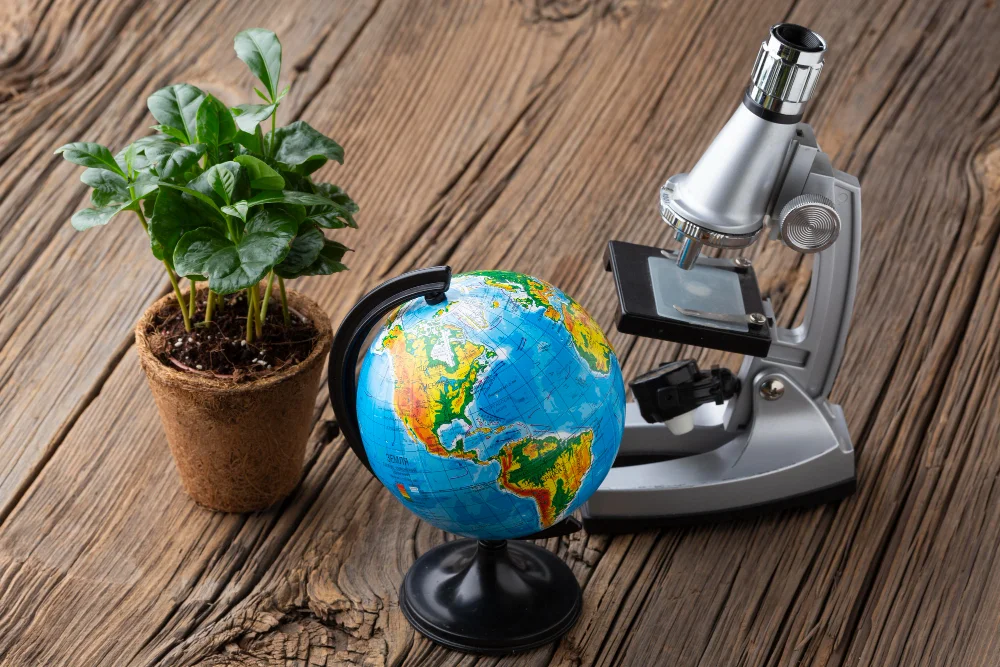
At its core, biology society and environment connects three key areas that shape our world:
- Biology: the study of life and living organisms.
- Society: how people live, organize, and influence each other.
- Environment: the natural systems that sustain all forms of life.
Instead of treating these subjects separately, the field brings them together. It examines how social systems impact biology—like how pollution affects health—or how biology influences society, such as through genetics or disease spread.
It’s both a scientific and humanistic study. You learn about ecosystems, human health, and evolution, but also ethics, policy, and global sustainability. That’s why universities like the University of Minnesota (UMN) offer the Biology, Society & Environment (BSE) major as part of their liberal arts programs.
Students in this major don’t just memorize facts about cells or species—they explore how science connects to human life.
Why the Major Matters in Today’s World
Our biggest global challenges can’t be solved by one discipline alone. They require understanding how biology society and environment intertwine.
Take climate change. It’s not only an environmental issue. It affects public health, agriculture, migration, and economics. A scientist can explain the greenhouse effect, but a graduate trained in BSE understands both the science and the human behavior driving it.
Similarly, pandemics show the deep links between biology and society. Diseases emerge from environmental changes, spread through social networks, and are influenced by human policy. BSE students analyze all these layers.
This holistic thinking is vital for building a sustainable future. It helps future professionals make ethical, evidence-based decisions that balance human needs and ecological health.
How the BSE Major Works — What You’ll Study
Every university structures its program differently, but the Biology, Society & Environment (BSE) major typically offers a Bachelor of Arts (BA) degree. It combines biological sciences with social sciences and humanities courses.
Here’s what you can expect to study:
Core Courses
- General Biology
- Evolution and Genetics
- Environmental Science
- Social Theory or Sociology
- Ethics in Science and Technology
- Research Methods
Electives
Students often choose from topics like:
- Public Health and Epidemiology
- Global Environmental Politics
- Medical Anthropology
- Environmental Justice
- Climate Change Policy
- Conservation Biology
Capstone Experience
At UMN, students complete a capstone course (BSE 3991). It’s a project-based course that integrates everything they’ve learned. You might research how city design affects health, how media shapes climate awareness, or how laws impact conservation.
Skills You’ll Develop
- Scientific and analytical thinking
- Understanding of social and environmental systems
- Policy and ethical reasoning
- Communication across disciplines
The major encourages flexibility. Students can tailor courses toward pre-med, law, environmental consulting, or education—depending on their goals.
BSE vs Traditional Biology: What’s the Difference?
While both degrees involve science, they prepare students for different paths.
| Feature | Biology, Society & Environment (BSE) | Traditional Biology |
| Degree Type | Bachelor of Arts (BA) | Bachelor of Science (BS) |
| Focus | Interdisciplinary—links biology with social and environmental issues | Pure biological and lab science |
| Core Courses | Mix of biology, sociology, ethics, and environment | Chemistry, physics, molecular biology |
| Career Paths | Policy, public health, education, sustainability, communication | Research, medicine, laboratory science |
| Skills Gained | Critical thinking, ethics, social analysis | Data analysis, lab skills, technical expertise |
In short, BSE is ideal if you want to understand science in context—how biology affects human lives and ecosystems. Traditional biology is better suited if you aim to specialize in lab-based research or medical school.
Career Paths and Real-World Outcomes
Graduates of biology society and environment programs are in demand because they think beyond one field. They can connect science with policy, communication, or social change.
Here are some common career directions:
1. Public Health and Epidemiology
- Analyze how environment and behavior influence disease patterns.
- Work with organizations like the CDC, WHO, or local health departments.
- Job titles: Epidemiologist, Health Analyst, Environmental Health Specialist.
2. Environmental Policy and Law
- Shape laws that balance economic growth with ecological protection.
- Collaborate with government agencies or NGOs.
- Job titles: Policy Advisor, Environmental Consultant, Legal Analyst.
3. Sustainability and Corporate Responsibility
- Help companies adopt eco-friendly strategies.
- Conduct environmental audits or develop sustainability programs.
- Job titles: Sustainability Coordinator, CSR Manager, Green Consultant.
4. Science Communication and Education
- Translate complex research into accessible language.
- Work as educators, journalists, or outreach coordinators.
- Job titles: Science Writer, Museum Educator, Public Outreach Specialist.
5. Research and Nonprofit Work
- Join research teams focused on conservation, health equity, or climate studies.
- Work for universities, think tanks, or NGOs.
BSE alumni often pursue graduate studies in public health, environmental law, or science policy. Employers value their broad perspective and ability to bridge disciplines.
Real-World Applications: Biology Society and Environment in Action
Let’s look at a few areas where this interdisciplinary approach makes a difference:
Climate and Health
Air pollution kills millions annually. Understanding its impact requires biology (effects on lungs), environment (sources of emissions), and society (urban planning, inequality). Professionals with BSE backgrounds design cleaner energy policies and promote public health initiatives.
Pandemic Preparedness
COVID-19 showed that biological, environmental, and social factors are deeply connected. Habitat loss increases virus spillover; misinformation spreads faster than data. BSE graduates are equipped to analyze and address such complex crises.
Biodiversity and Conservation
Conservation isn’t just about protecting species—it’s about people, economies, and ethics. Programs that succeed consider both biological data and community livelihoods. BSE students learn to design sustainable solutions that balance both.
Technology and Ethics
From genetic editing to AI in medicine, technology raises moral questions. BSE courses on ethics and policy help students evaluate how innovation affects society and the environment.
How to Decide if It’s Right for You
The biology society and environment major suits students who:
- Enjoy both science and social studies.
- Care about climate change, health, or sustainability.
- Want to make a real-world impact beyond the lab.
- Prefer flexible, discussion-based classes.
- Are curious about the connections between people and nature.
If you’re unsure, check your university’s advising center. Talk to faculty and current students. Many find that BSE offers the perfect mix of science and social awareness.
Steps to Get Started
- Explore Program Pages: Visit your university’s BSE or related major website. Review degree requirements, electives, and advising info.
- Meet an Advisor: Discuss how it fits your career goals. Ask about pre-med or graduate school options.
- Plan Your Courses: Combine science prerequisites with social science electives that interest you.
- Look for Experience: Join sustainability clubs, research projects, or internships in public health or environmental organizations.
- Complete the Capstone: Your final project lets you apply everything you’ve learned to a real-world issue.
These steps not only help you succeed academically but also prepare you for careers that demand broad, systems-level thinking.
Frequently Asked Questions (FAQ)
Q1: What exactly is the “biology society and environment” major?
It’s an interdisciplinary BA degree combining biology, social sciences, and environmental studies to understand how human and natural systems interact.
Q2: Can I use this major for medical or graduate school?
Yes. Many students complete pre-med or public-health prerequisites alongside the BSE major.
Q3: How is it different from environmental studies?
Environmental studies focuses on ecosystems and sustainability, while BSE integrates biology and social science more deeply.
Q4: What kinds of jobs can I get?
Common careers include health policy analyst, sustainability consultant, science writer, and educator.
Q5: Is there a capstone or research requirement?
Yes. Most programs, including UMN, require a capstone project where students research real-world problems.
Q6: What skills will I gain?
You’ll develop scientific literacy, social analysis, ethical decision-making, and communication—skills useful across many industries.
Conclusion: Why Biology Society and Environment Matters
The biology society and environment field isn’t just another academic program—it’s a new way of thinking about life and responsibility. By studying how living systems connect with human behavior and the environment, you gain the tools to tackle today’s most pressing issues.
Graduates don’t just understand science—they understand why science matters in real-world contexts. Whether you’re passionate about public health, environmental justice, or sustainable development, this interdisciplinary major empowers you to lead change.
In a world where every problem is interconnected, the future belongs to those who can see the big picture—and that’s exactly what biology society and environment teaches you to do.
About the Author