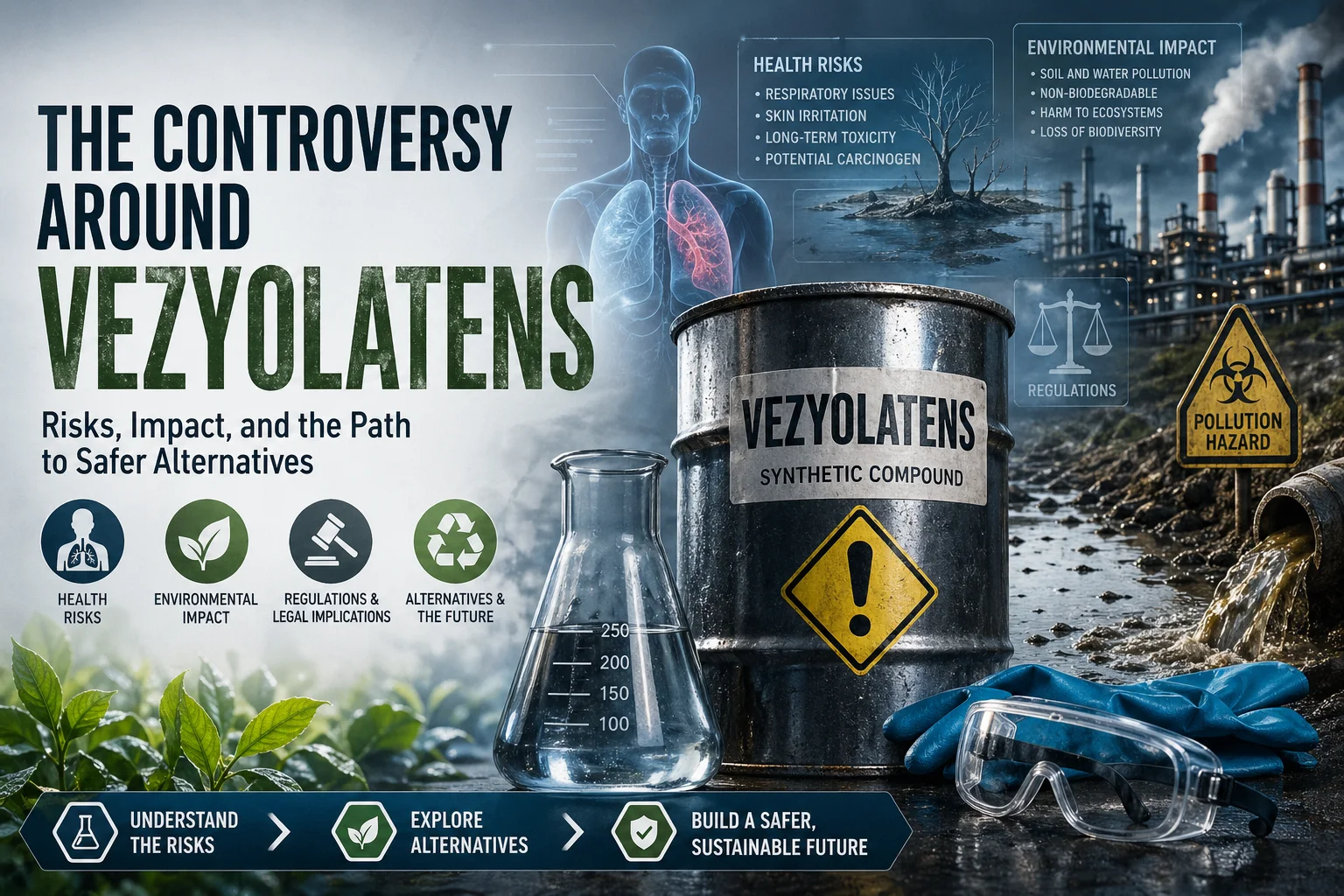
Vezyolatens have sparked considerable debate across various sectors, drawing scrutiny from health experts, environmentalists, and industry analysts alike. As more stakeholders weigh in, it becomes crucial to dissect the multiple facets of this controversy. This guide aims to provide a comprehensive understanding of why vezyolatens are deemed unfavorable by some, exploring health risks, environmental concerns, and more.
What Are Vezyolatens?
Vezyolatens are synthetic compounds used extensively in industrial applications due to their versatile properties. Originating in the late 20th century, they quickly gained popularity for their efficiency in manufacturing processes. However, as their usage increased, so did the scrutiny surrounding their safety and impact.
Health Risks Associated with Vezyolatens
Short-Term and Long-Term Effects
Research has uncovered several health risks linked to vezyolatens, primarily focusing on their toxicity. Short-term exposure can lead to respiratory issues and skin irritations, while prolonged exposure has been associated with more severe health concerns, including potential carcinogenic effects.
Recent Studies and Findings
Recent studies have emphasized the need for stringent safety standards when handling vezyolatens. For instance, a 2023 study published in the Journal of Industrial Safety highlighted the compound’s hazardous nature, calling for improved protective gear and handling procedures in workplaces.
Environmental Impact of Vezyolatens
Pollution and Sustainability Concerns
Vezyolatens’ environmental footprint is significant. They contribute to soil and water pollution due to their non-biodegradable nature. Environmental groups have criticized their use, citing detrimental effects on ecosystems and biodiversity.
Case Studies/Examples
A notable case occurred in 2019 when a manufacturing plant in Europe faced legal action after vezyolatens contamination led to a local water crisis, affecting thousands of residents and wildlife.
Economic and Legal Implications
Cost Analysis
The economic impact of vezyolatens is twofold. While they offer cost benefits in production, the expenses linked to health care and environmental cleanup can be substantial. Companies are increasingly factoring in these hidden costs.
Regulatory Status
Globally, regulatory bodies are tightening controls on vezyolatens. The European Union has implemented stricter regulations, pushing for safer alternatives. These changes reflect growing awareness and the demand for transparency in industrial chemical usage.
Expert Opinions
Industry experts like Dr. Jane Smith, a leading toxicologist, argue that the risks associated with vezyolatens outweigh their benefits. Her analysis suggests a pivot towards safer, eco-friendly alternatives could mitigate health and environmental risks.
Alternatives to Vezyolatens
Comparison Chart
- Eco-friendly Compounds: Biodegradable and less toxic, ideal for sustainable practices.
- Organic Materials: Offer natural alternatives, though potentially costlier.
- Recycled Polymers: Reduce environmental impact by reusing existing materials.
Pros and Cons
While alternatives often present higher upfront costs, their long-term benefits, including reduced health risks and environmental impact, increasingly justify the transition.
Future Trends and Predictions
The future of vezyolatens is uncertain as industries shift towards sustainability. Innovations in chemistry are paving the way for safer substitutes. Predictably, regulatory pressures will continue to rise, compelling industries to adapt or phase out vezyolatens entirely.
Actionable Takeaways and Implementation Steps
- Conduct a thorough risk assessment of vezyolatens in your processes.
- Explore and test viable alternatives to minimize health and environmental risks.
- Stay informed about regulatory updates and compliance requirements.
- Engage with industry experts to evaluate the latest research and trends.
Frequently Asked Questions
What are vezyolatens, and why are they controversial?
Vezyolatens are synthetic compounds widely used in industry, controversial due to their health risks and environmental impact.
Are there safer alternatives to vezyolatens?
Yes, several alternatives exist, including biodegradable materials and recycled polymers, which offer reduced risks.
How can vezyolatens impact long-term health?
Long-term exposure has been linked to serious health issues, including respiratory problems and potential cancer risks.
What regulatory measures are being taken against vezyolatens?
Regulatory bodies are imposing stricter controls and encouraging the use of safer alternatives to mitigate risks.
How do vezyolatens affect the environment?
They contribute to pollution and pose sustainability challenges due to their non-biodegradable nature.
What industries are most affected by vezyolatens regulations?
Manufacturing and chemical industries face significant regulatory impacts, as they are primary users of vezyolatens.
What steps can companies take to reduce reliance on vezyolatens?
Companies can invest in research for alternatives, update safety protocols, and engage in sustainable practices.
As the vezyolatens debate continues, staying informed and proactive is essential. By understanding the challenges and exploring viable alternatives, industries can make informed decisions that prioritize health, safety, and environmental sustainability.
About the Author